




- Medical devices and sensors
Apparatus for housing animal organisms in a controlled and reversible hypothermic and hypometabolic condition
Benefits
Why choose this technology
The strengths of this technology.
It allows you to study hibernating animals yourself, without requiring you to change the temperature of an entire enclosure or colony.
It has a light and temperature control system.
Transportability
It can be battery powered to allow movement and / or for use outside the laboratory.
Technology
How it works
The device houses small rodents allowing you to modulate the ambient temperature along with other parameters such as brightness; It also allows customised thermal adaptation protocols to be devised and thus speeds up the experimental activity, optimising it. Thanks to this system, it is possible to induce numbness in the animal, so that experiments based on hibernation can be conducted.
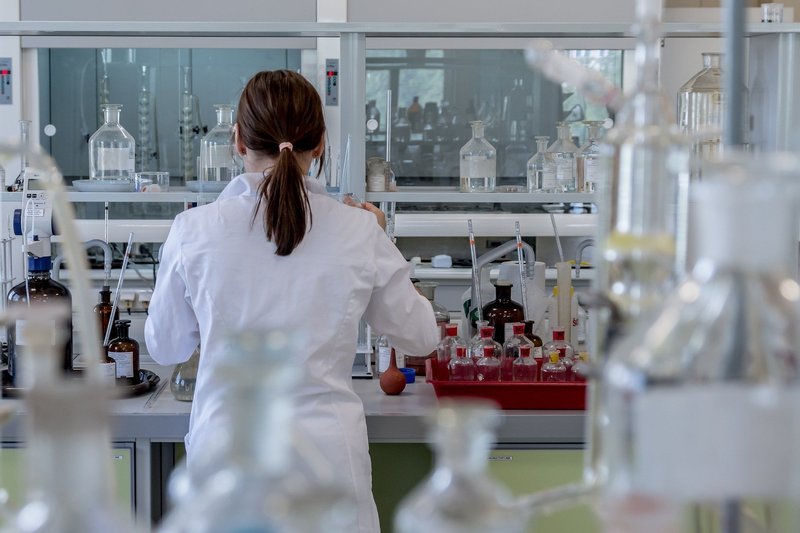
The device makes it possible to carry out laboratory experiments on small animals, such as mice, rodents, which are normally housed in large colonies or in enclosures together with other animals.
This system manages to accommodate an animal under controlled conditions, such as temperature, causing them to enter a state of torpor – hibernation that can facilitate some lines of research. The same device can also be used on pets that have special needs, such as hibernation.

Are you interested in this technology?
Ask us for availability, license terms or more detailed technical material. The TT Service answers you.
Applications
Where this technology is applied
The areas in which this technology offers the greatest advantage.
Experiments on animals hibernating or in conditions of hypothermia
Use also for pets with special environmental needs (eg hibernation).
Explore
Other technologies in Medical Devices and Sensors
- Medical devices and sensors
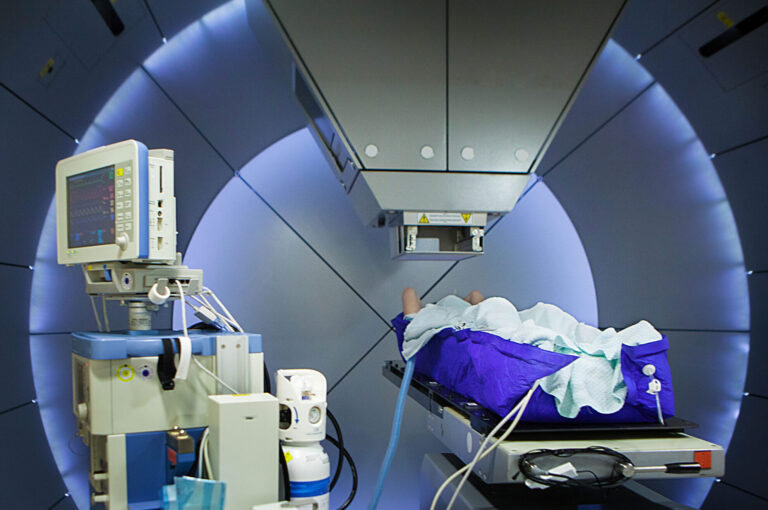
Detector for measuring a beam of ionising radiation
The patented technology refers to detection systems for monitoring and controlling the radiation dose delivered on the...
- Diagnostics and Imaging
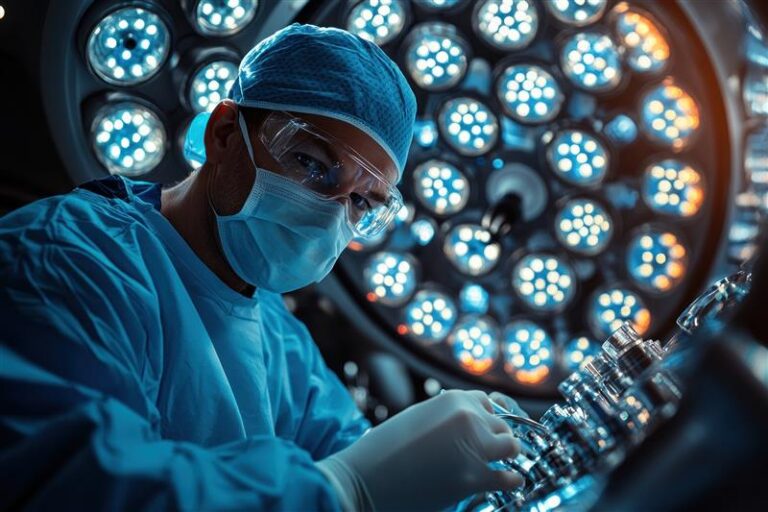
Intraoperative probe for detection of tumour residues
The intraoperative probe is able to locate, at the operating site, tumor residues marked with appropriate beta-emitting radiopharmaceuticals. Making it simpler...
- Medical devices and sensors
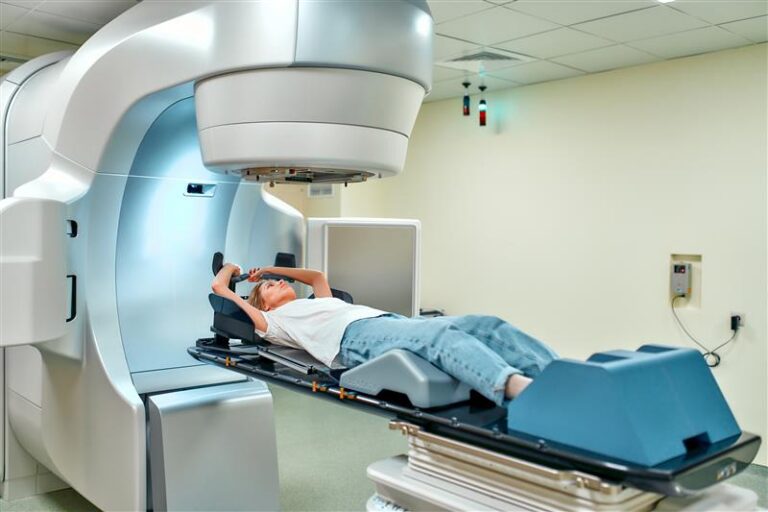
Hard X-ray concentrator for radiotherapy
The invention concerns an X-ray concentrator that can be used in the 10-1000 keV energy range. Used in combination with an X-ray tube or other...

Contact us
Can this technology help your business?
Tell us about your project: the TT Service puts you in touch with the researchers who have developed the technology and evaluates with you the most suitable form of collaboration.
Contact the TT Service