




- Advanced manufacturing
Plasma electropolishing of copper, steel and zinc alloy components, nickel, chromium and other metals with single-component electrolytic solution
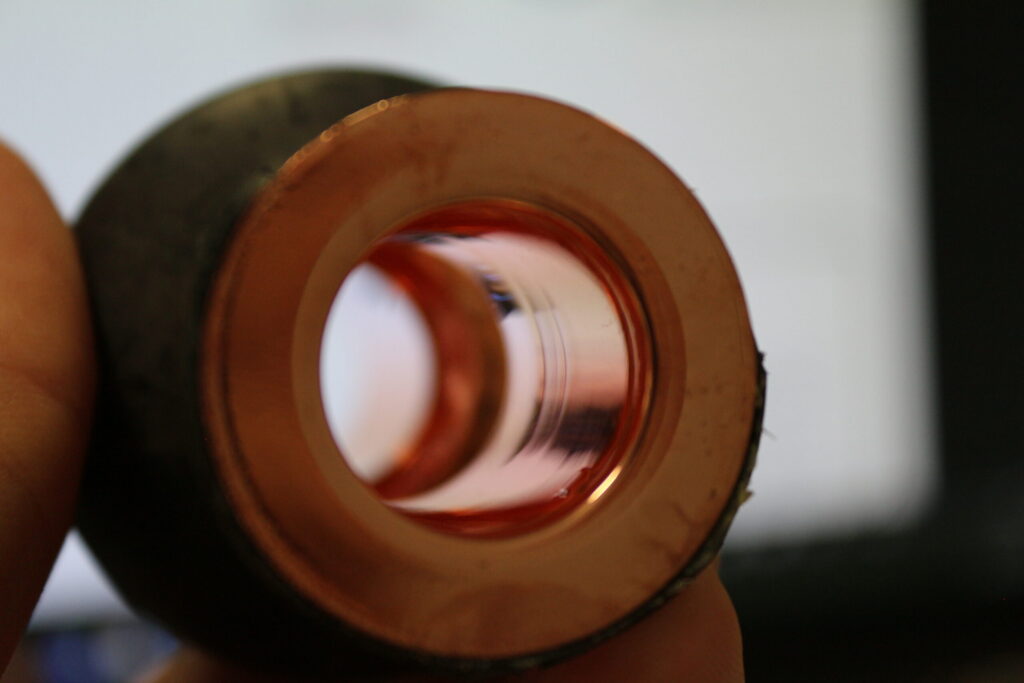
Benefits
Why choose this technology
The strengths of this technology.
Polishing faster.
Greater efficiency in reducing roughness.
Applicable on highly wrinkled surfaces (for example those obtained with 3D printing) without preliminary steps.
No corrosion products are formed in some areas of the sample.
Applicable both on copper (and its alloys) and on steel, also on welded materials or composed of two groups of different alloys (eg copper and steel 316).
One-component, it operates on two different families of metals (Cu and steel).
Technology
How it works
Innovative electrolytic composition and related Plasma Electrolytic Polishing (PEP) process for finishing metal surfaces. The technology allows to quickly reduce roughness and obtain smooth and uniform surfaces, even on components made by additive manufacturing. The electrolyte bath is simple to prepare, stable over time and reusable.
The electrolytic solution used in this technology consists mainly of ammonium sulfamate. It is one-component, free of unpleasant odors typical of moderators, potentially ecological and non-toxic. It is also reusable since it transforms the metal layers into a basic compound without altering the initial composition.
The solution acts on two main groups of metals: copper alloys (and pure copper) and steel alloys (e.g. 316L, 17-4PH and the like). The polishing effect on steel is more uniform than the electrolytes described in the literature, avoiding corrosion zones. It is less sensitive to variations in composition and purity typical of 3D printing, ensuring greater reliability on particularly wrinkled surfaces.

Are you interested in this technology?
Ask us for availability, license terms or more detailed technical material. The TT Service answers you.
Applications
Where this technology is applied
The areas in which this technology offers the greatest advantage.
Medical and Dental Devices
PEP ensures ultra-smooth and biocompatible surfaces that reduce bacterial adhesion and improve sterilisation.
Aerospace and Automotive Components
PEP increases fatigue resistance, reduces voltage concentrators and improves aerodynamic performance by smoothing surfaces.
Food and Beverage Industry Equipment
PEP creates mirror finishes that prevent contamination and comply with strict health regulations.
Chemical and Pharmaceutical Industries
PEP eliminates surface defects that could retain chemicals, improving durability and GMP compliance.
Luxury Goods and Consumer Products
High-end watches, jewelry and items that require a premium and polished look without signs of mechanical polishing.
Energy Sector (Petroleum, Gas, Nuclear): PEP improves surface passivation, prolonging service life in extreme conditions.
Additive Manufacturing Service Providers
PEP offers a quick alternative to manual sanding or abrasive polishing, reducing labour costs and delivery times by replacing a post-treatment chain.
Explore
Other Technologies in Advanced Manufacturing
- Industrial Automation and Sensory
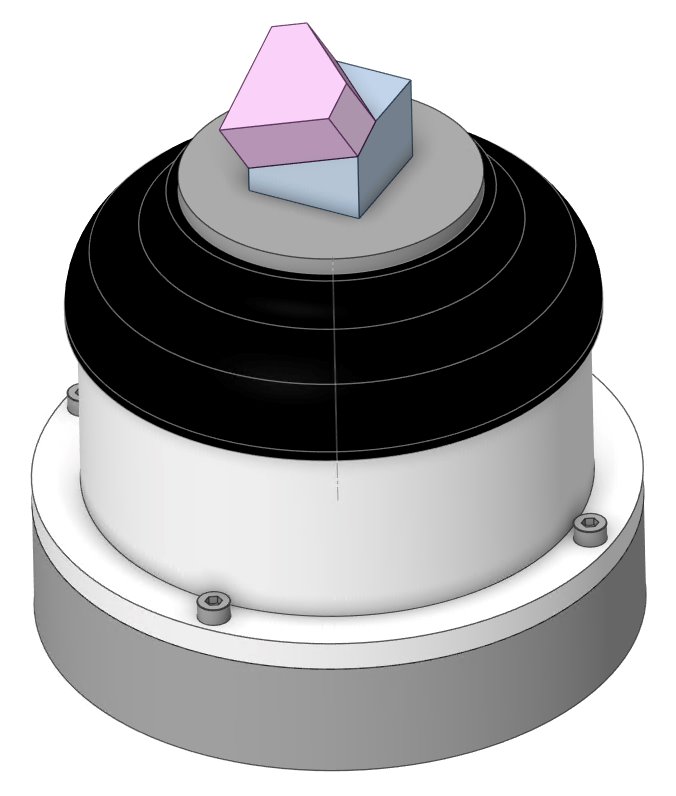
PBF-LB apparatus and process for the additive manufacturing of mono- and multi-material objects
The apparatus enables the additive production of metal multimaterial objects using Powder Bed Fusion – Laser Based (PBF-LB) technology.
- Advanced manufacturing
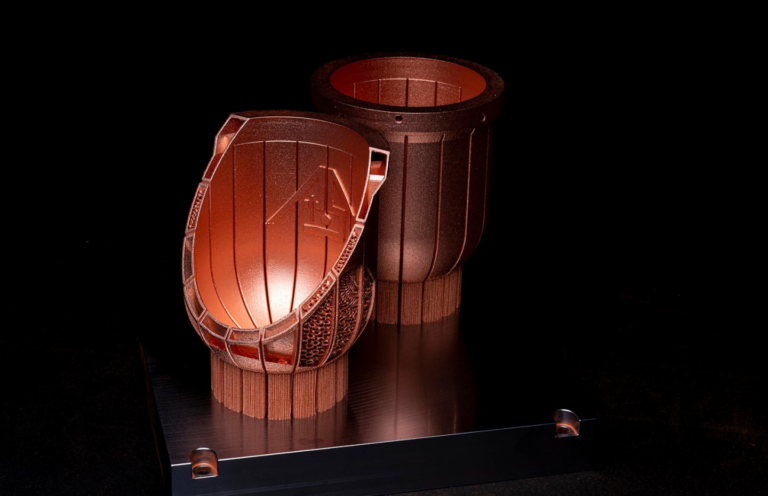
Method of making a high efficiency cold crucible
The technology concerns the manufacture of crucibles for cold casting of pure metals and metal alloys, carried out under vacuum or in the atmosphere...
- Advanced manufacturing
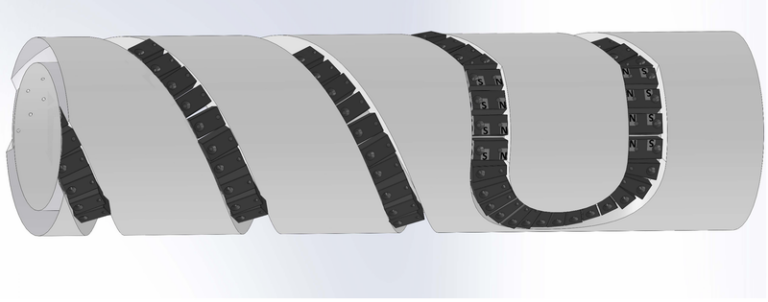
Coatings for complex surfaces
A system for the deposition of thin films, by magnetron sputtering technique, on the inner surface of a cavity called substrate. The system...

Contact us
Can this technology help your business?
Tell us about your project: the TT Service puts you in touch with the researchers who have developed the technology and evaluates with you the most suitable form of collaboration.
Contact the TT Service