




Insights
L as Lead
To reach the market, a technology born in the laboratory needs to be accompanied along a path that goes from identifying its application potential to valorisation, through constant monitoring and support. This is the role that the INFN Technology Transfer Service, together with the National Committee for Technology Transfer (CNTT) and the network of local representatives plays every day, that is to act as a lead, a guide, between basic physics and the productive world. Lead is a structured process that connects laboratories, researchers, companies, investors and institutions to transform skills and knowledge into concrete innovation capable of generating value for society.
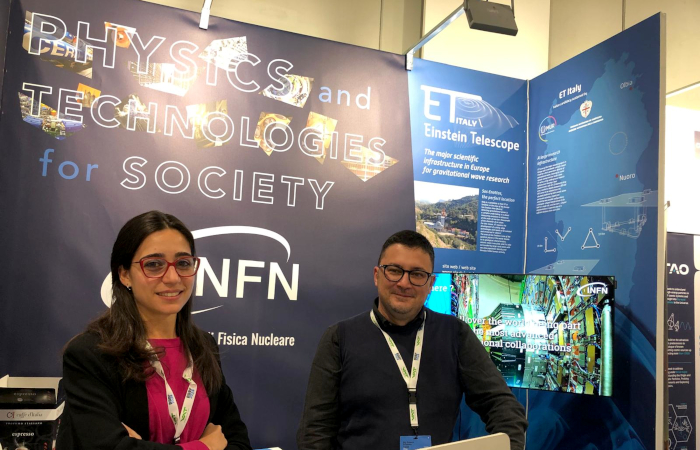
The role of technology transfer in creating a positive impact on society
To reach the market, a technology born in the laboratory needs to be accompanied along a path that goes from identifying its application potential to valorisation, through constant monitoring and support. This is the role that the Technology Transfer Service the INFN, together with the National Committee for Technology Transfer (CNTT) and the network of local contact persons carries out every day, that is to act as lead, as a guide, between basic physics and the productive world. Lead is a structured process that connects laboratories, researchers, companies, investors and institutions to transform skills and knowledge into concrete innovation capable of generating value for society.
Technology
INFN laboratories are constantly developing technological solutions and innovations for detectors, accelerators, cryogenics, electronics, advanced materials, instrumentation and calculation, developed to meet the needs of individual experiments and research projects. Identifying a technology to be developed outside the scientific context that generated it means first of all identifying its application potential and understand its value for possible applications in areas other than the one for which it was designed, such as space, industry, environment and medicine. This process therefore requires a double assessment: on the one hand, the level of technical maturity of the solution, on the other hand, the need that it could satisfy in the market.
It is a scouting work that has its strength in the proximity between local technology transfer referents and researchers. The approach of the Technology Transfer Service is twofold: the starting point can be a promising innovation as well as a need expressed by the market with companies increasingly turning to INFN to find solutions to their technological challenges.
Identifying and enhancing an innovation also means protecting it: it is essential to immediately understand the direction in which to proceed: filing of a patent, maintenance of the know-how, creation of one spin-off, the choice of strategy to be adopted must be made in consultation between the creator of the technology and the Technology Transfer Service, assessing the nature of the invention, the market and the commitment required.
The process of development and growth
Once the technology has been identified, we enter the most delicate phase: that of growth. Here the role of the TT becomes indispensable: through dedicated strategies and tools, the innovative solution is guided towards levels of maturity that are increasingly close to the market. At this stage, technology transfer plays a directing role, creating the conditions for scientific and industrial skills to collaborate effectively, accelerating the growth path of innovation.
To foster dialogue and collaboration between research and industry, Technology Transfer has launched INFN CONNECTThis initiative stems from the need to bridge the gap between promising scientific results and their actual use by the production system. The aim of INFN CONNECT is to accompany technologies along the often tortuous path from laboratory to industrial adoption, integrating scientific expertise, market analysis and a progressive involvement of companies. At this stage, training and communication play an equally important role: raising researchers’ awareness of the economic and social value of their findings is often the first step in triggering the entire valorisation process.
From the laboratory to the market
When a technology reaches an appropriate level of maturity, it is time for go-to-market, which sets out the strategy for bringing it to market. There are several ways to go, including licensing to a company, creating spin-offs, or co-development.
The path of the go-to-market requires a deep understanding of the needs of end-users, the competitive environment and the distinctive value of the proposed solution. It is therefore essential to build relationships with the industrial world, validate the business model and identify the application areas in which technology can generate the greatest impact. INFN’s experience shows how innovations born for fundamental research can find applications in the most diverse sectors, contributing to the competitiveness of companies and the growth of the innovation ecosystem.
Enhancing
The ultimate goal of technology transfer is valuing a technology or innovation. Valuing means transforming knowledge and skills into concrete benefits for society, generating economic development, new business opportunities and innovative solutions to face daily and future challenges of collective interest. The value stems from the ability to accompany technology along the entire growth path, maintaining a strong link between the worlds of research and business.
This is the lead, This means driving innovation so that the wealth of knowledge developed in laboratories does not remain confined within the scientific community, but becomes an engine of progress, competitiveness and well-being for society as a whole.
Find out more:
For more information on how INFN transfers its technologies to the company, you can contact the Technology Transfer Service
News
Read also
More news from INFN Technology Transfer.
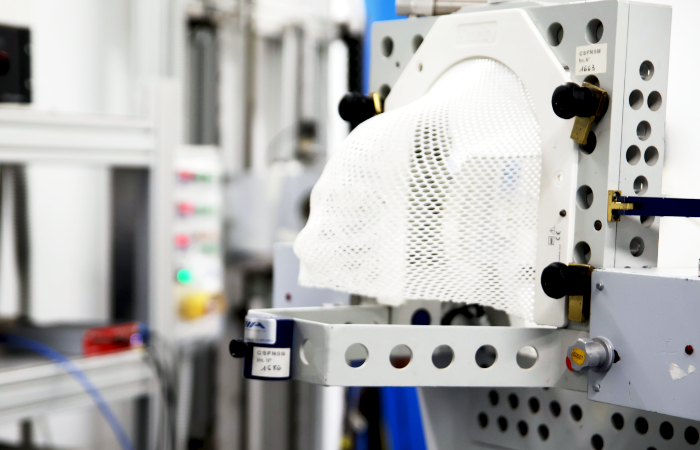
Particle accelerators at the service of society
If you think of a particle accelerator, great equipment comes to mind in laboratories dedicated to scientific research. The role of these machines in the study of basic science is certainly very important, however, they are also used for purposes closer to everyday life. Among the different applications of accelerators, the most significant are probably those related to medicine and cancer treatment.
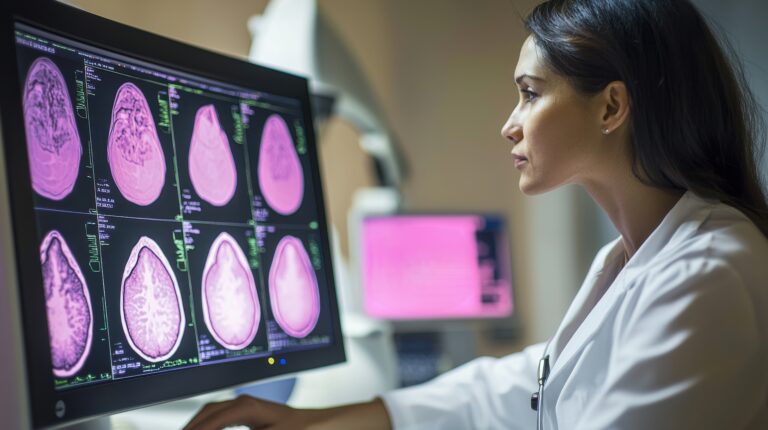
From Laboratory to Patient: The Role of INFN Technology Transfer in Life Sciences
From laboratory to patient: the role of INFN Technology Transfer in medical physics The point of view of Mariangela Cestelli Guidi, coordinator of INFN's National Committee for Technology Transfer
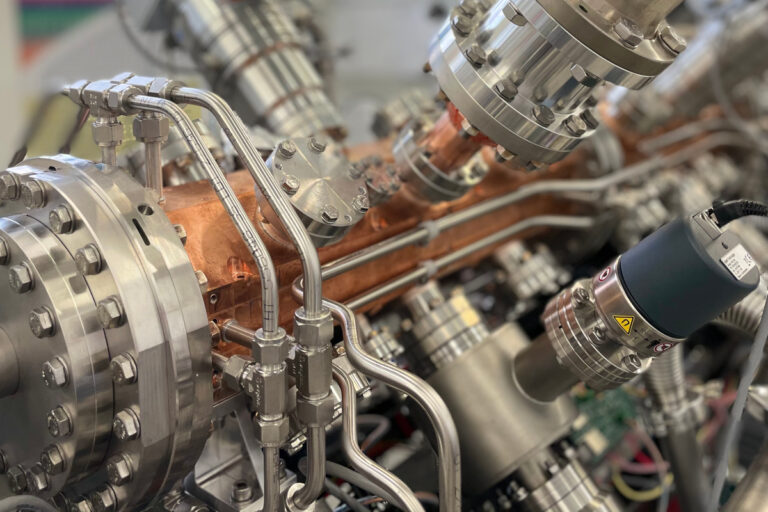
K as Know-How
When you think about how to protect industrial property that comes from a new technology, the first tool that comes to mind is the filing of a patent application. However, sometimes there are results that for legal, technical or expediency reasons may not be patented but, not for this reason, otherwise protected. In these cases you can resort to the trade secret, also commonly called know-how. Unlike patents, where the details of the invention are made public, know-how has value as long as the information is kept secret.
Contact us
Want to collaborate with INFN?
Tell us about your need: the TT Service puts you in touch with the right people and skills for your project.
Contact us