




- Sensors and Advanced Electronics
- Energy technologies
MICROCANAL HEAT DISSIPATION SYSTEM
Benefits
Why choose this technology
The strengths of this technology.
Better heat conduction.
High convection coefficient.
Geometry adaptable to the specific use.
Possibility of creating integrated dissipation systems.
Robustness of the system.
Possibility of using different types of material for the realization of microchannels.
Technology
How it works
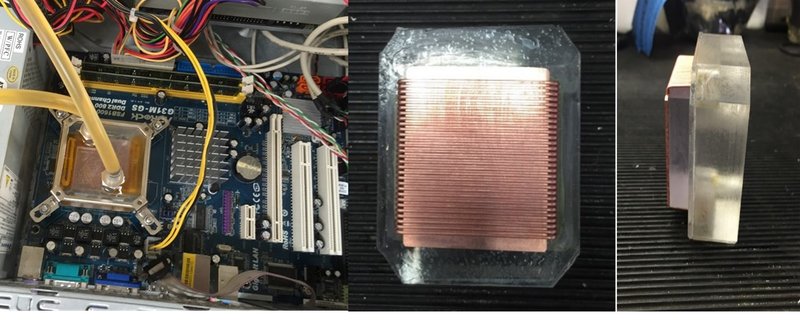
The microchannel technology, applied to heat dissipation systems, allows both the use of high refrigerant fluid pressures, improving the convection coefficient, and to obtain very thin channels, increasing the conduction contribution. The ease of construction also allows the creation of various geometries adaptable to the different configurations of the device to be cooled.
To meet the need to obtain increasingly high-performance performance from electronic devices, high-power integrated circuits are used, which, while ensuring the performance of their functions quickly, can generate heat flows that, if not properly disposed of, cause damage to them.
The technology developed concerns a high efficiency heat exchanger production technique. The final product is equipped with a series of microchannels arranged in configurations that can be adapted to the particular condition of use. Made with electroerosion or milling techniques, the microchannels have diameter sections of a few μm, spaced less than 1 mm apart. This configuration gives the device a high cooling capacity. Made in small dimensions it can be placed in contact or integrated with the devices to be cooled.

Are you interested in this technology?
Ask us for availability, license terms or more detailed technical material. The TT Service answers you.
Applications
Where this technology is applied
The areas in which this technology offers the greatest advantage.
Computer CPU
Production of X-rays, neutrons or radioisotopes
Solar and photovoltaic energy
Welding and laser cooling systems
Electronic devices to be miniaturised
Automotive, both for thermal and electric traction
Explore
Other technologies in Energy technologies
- Energy technologies
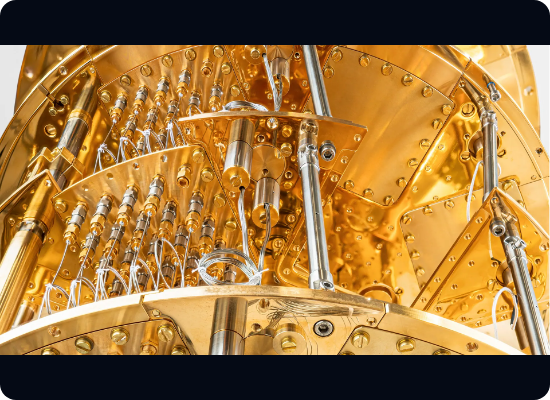
Coaxial connector for thermal optimisation of electrical connections in cryogenic systems
The technology refers to the field of electrical connectors, in particular to a coaxial connector for the thermal optimization of electrical connections in...
- Energy technologies
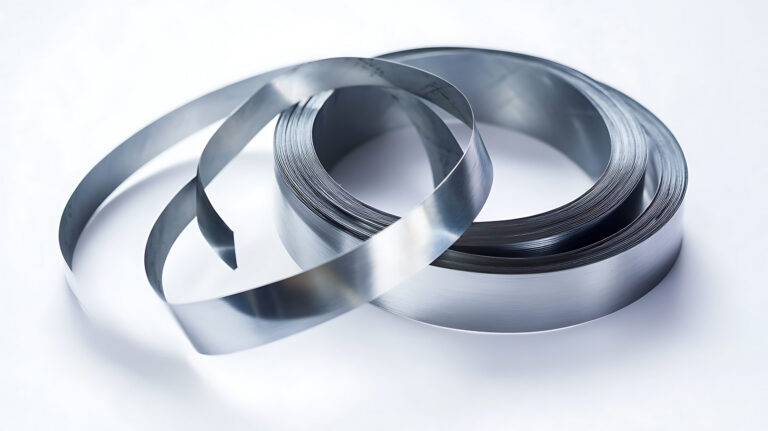
SUPERCONDUCER BOAT JUNCTION
For large-scale technological applications, superconducting materials are commonly produced in the form of wires or tapes, which can be...

- Energy technologies
Multi-layer device of high-temperature superconducting material (HTS) tapes
The invention refers to a method of making a multi-layered device of high-performance superconducting material belts.

Contact us
Can this technology help your business?
Tell us about your project: the TT Service puts you in touch with the researchers who have developed the technology and evaluates with you the most suitable form of collaboration.
Contact the TT Service