




INFN technology allows the first production of copper-67 in Italy
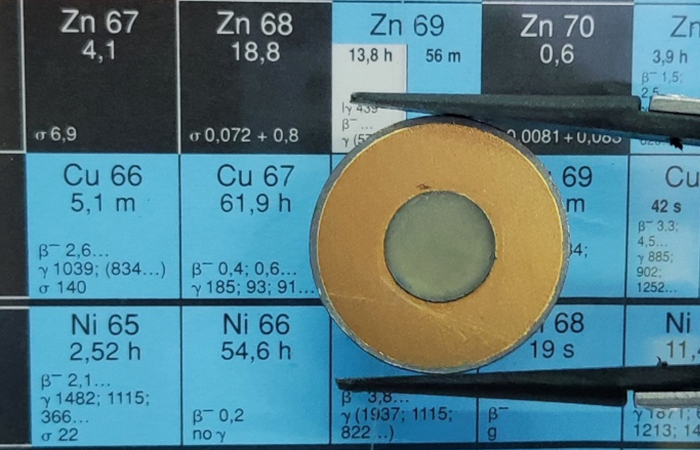
The collaboration between the INFN Legnaro National Laboratories, the University of Ferrara and the IRCCS Sacro Cuore Don Calabria in Negrar (VR) has reached an important milestone for Italian nuclear medicine, opening up new prospects for the national production of teranostic radionuclides: the first production in Italy of copper-67 (67Cu), one of the most promising radionuclides for the diagnosis and treatment of various cancer diseases.
SHARPER 2026: In L’Aquila, the European Researchers’ Night is enriched by a space dedicated to INFN technology transfer
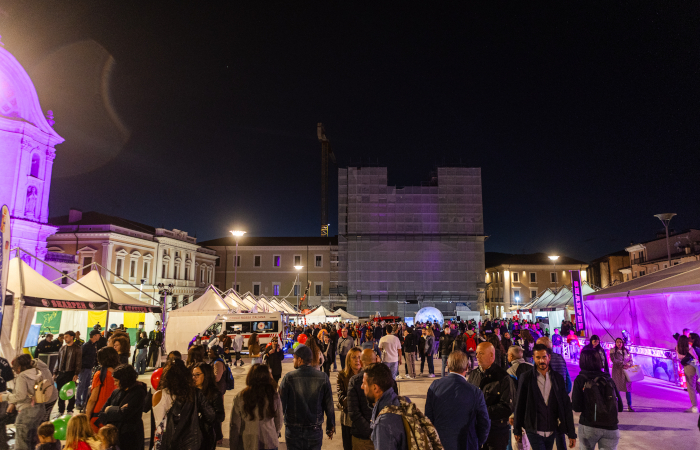
Thanks to the OPEN.INFN2 project, the 2026 edition, presented at Palazzo Margherita, will host a space dedicated to technological transfer and dialogue with businesses, schools and citizens.
Science leaves the laboratories and meets the city: this is the spirit of SHARPER – European Researchers’ Night, which returns to L’Aquila on Friday 25 September 2026 with a day full of events, experiences and opportunities for debate dedicated to citizens of all ages.
The event, supported by Fondi Restart – Sviluppo delle Potenti culturali del Comune dell’Aquila (Restart Funds – Development of the cultural potential of the Municipality of L’Aquila), is part of L’Aquila’s 2026 Italian Capital of Culture programme, supported and promoted by the Municipality of L’Aquila.
Particle accelerators at the service of society
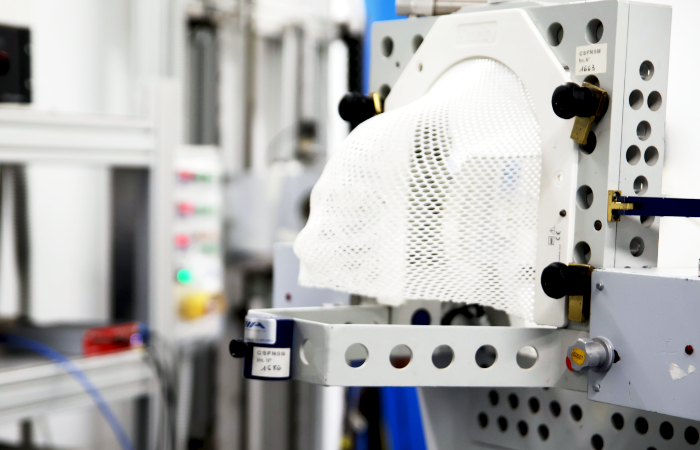
If you think of a particle accelerator, great equipment comes to mind in laboratories dedicated to scientific research. The role of these machines in the study of basic science is certainly very important, however, they are also used for purposes closer to everyday life. Among the different applications of accelerators, the most significant are probably those related to medicine and cancer treatment.
L as Lead
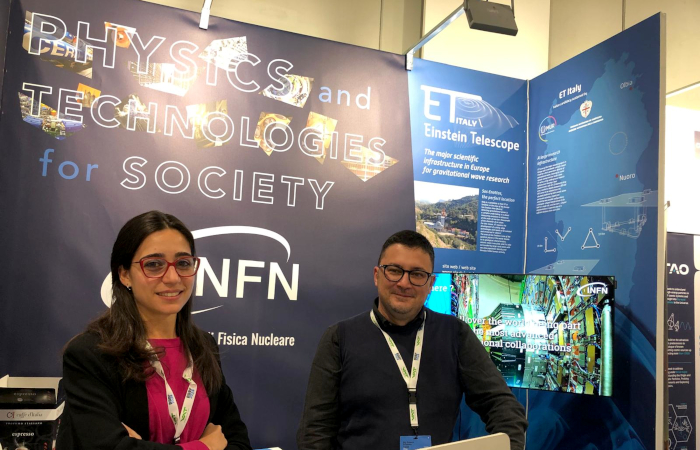
To reach the market, a technology born in the laboratory needs to be accompanied along a path that goes from identifying its application potential to valorisation, through constant monitoring and support. This is the role that INFN’s Technology Transfer Service plays every day, together with the National Committee for Technology Transfer (CNTT) and the network of local representatives, i.e. to lead the way between basic physics and the production world. Lead is a structured process that connects laboratories, researchers, companies, investors and institutions to transform skills and knowledge into concrete innovation capable of generating value for society.
From Laboratory to Patient: The Role of INFN Technology Transfer in Life Sciences
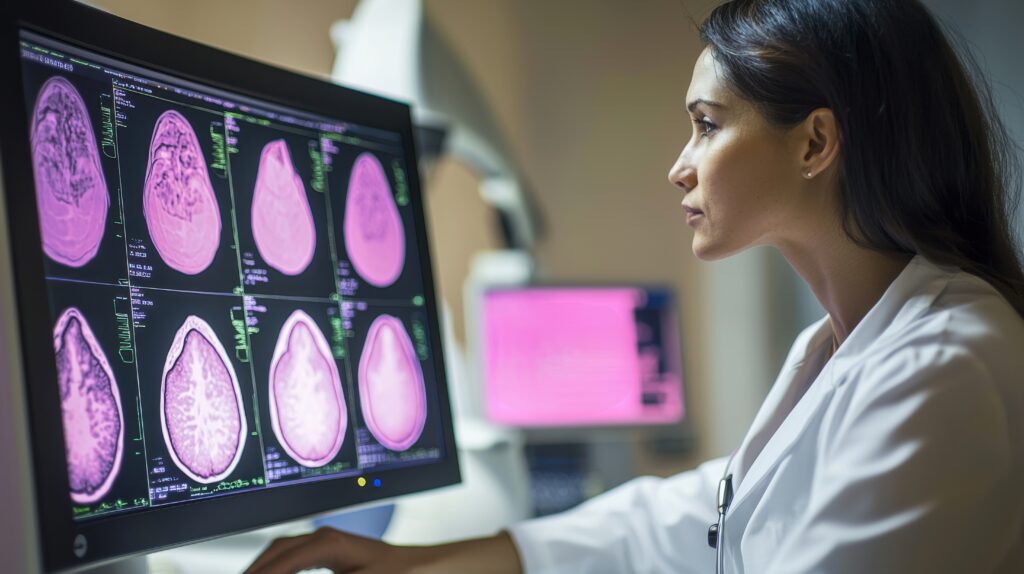
From Laboratory to Patient: The Role of INFN Technology Transfer in Medical Physics
The point of view of Mariangela Cestelli Guidi, coordinator of the National Committee for Technology Transfer of INFN
BeamX: when a market need stimulates the creation of a spin-off
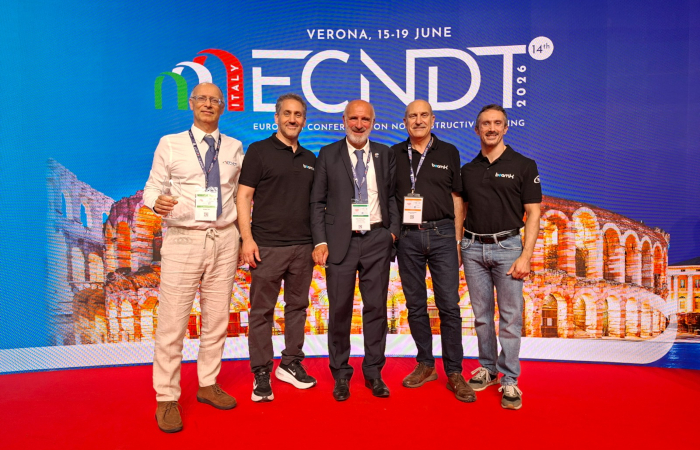
The INFN BeamX spin-off produces industrial particle accelerators, we talk about this with David Alesini and Luigi Faillace, researchers at INFN’s Frascati National Laboratories and co-founders of the company
New frontiers in X-ray computed tomography for patient diagnosis and treatment
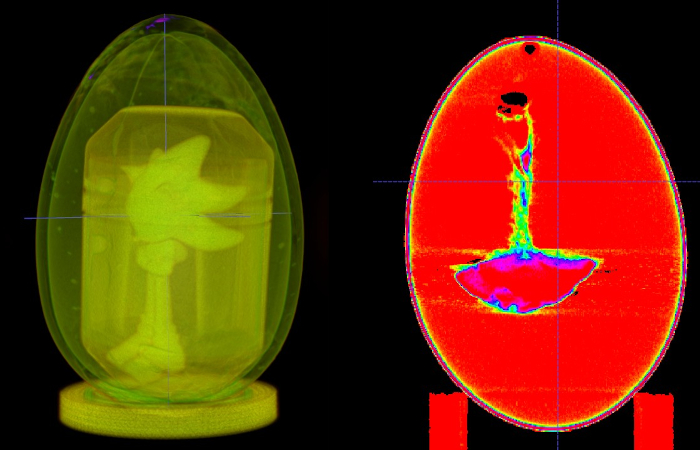
Antonio Sarno, researcher of the INFN section in Milan, works to make X-ray tomography with a conical beam more and more accurate.
K as Know-How
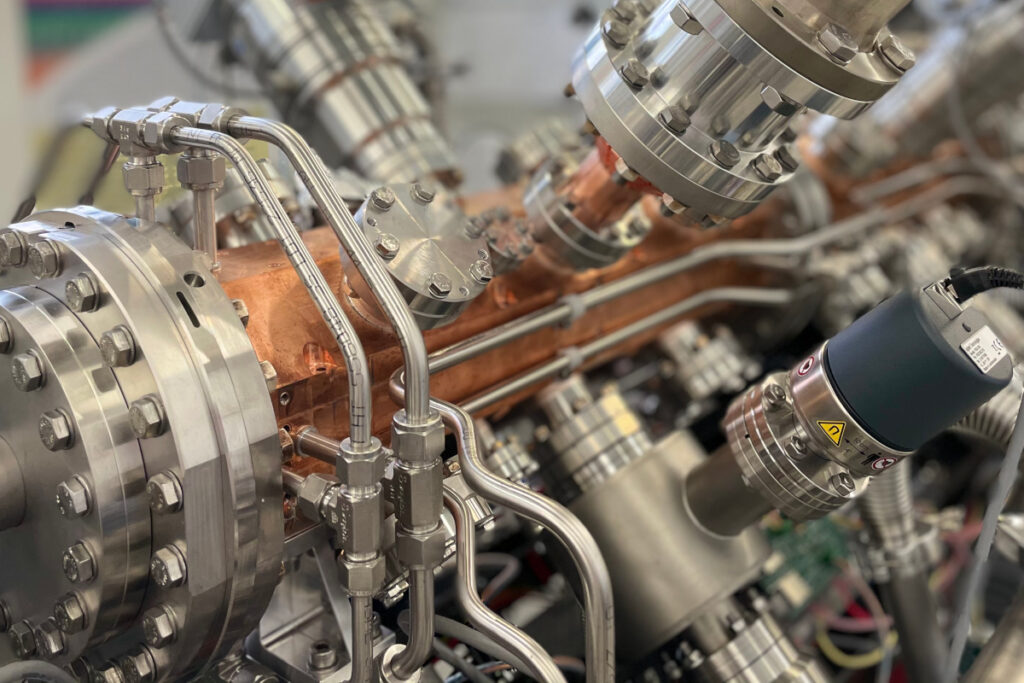
When you think about how to protect industrial property that comes from a new technology, the first tool that comes to mind is the filing of a patent application. However, sometimes there are results that for legal, technical or expediency reasons may not be patented but, not for this reason, otherwise protected.
In these cases you can resort to the trade secret, also commonly called know-how. Unlike patents, where the details of the invention are made public, know-how has value as long as the information is kept secret.
From material technology to advanced cancer therapies, the commitment of the INFN section in Pavia for research applications
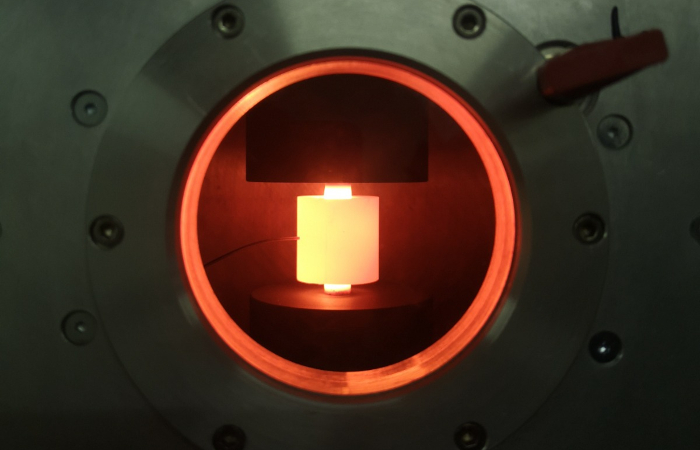
The point of view of Silva Bortolussi, INFN researcher and associate professor at the University of Pavia
Technological innovation and territory: the collaboration between the INFN Sections of Tuscany and the Technological Pole of Navacchio is underway
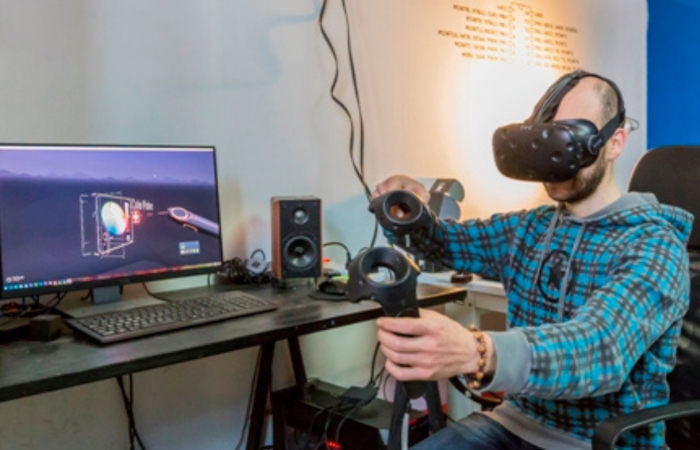
The path of collaboration for the enhancement of research between the Tuscan INFN Sections and the Navacchio Technological Hub (PI) will begin, offering new cutting-edge technological solutions for the development and competitiveness of local businesses.
